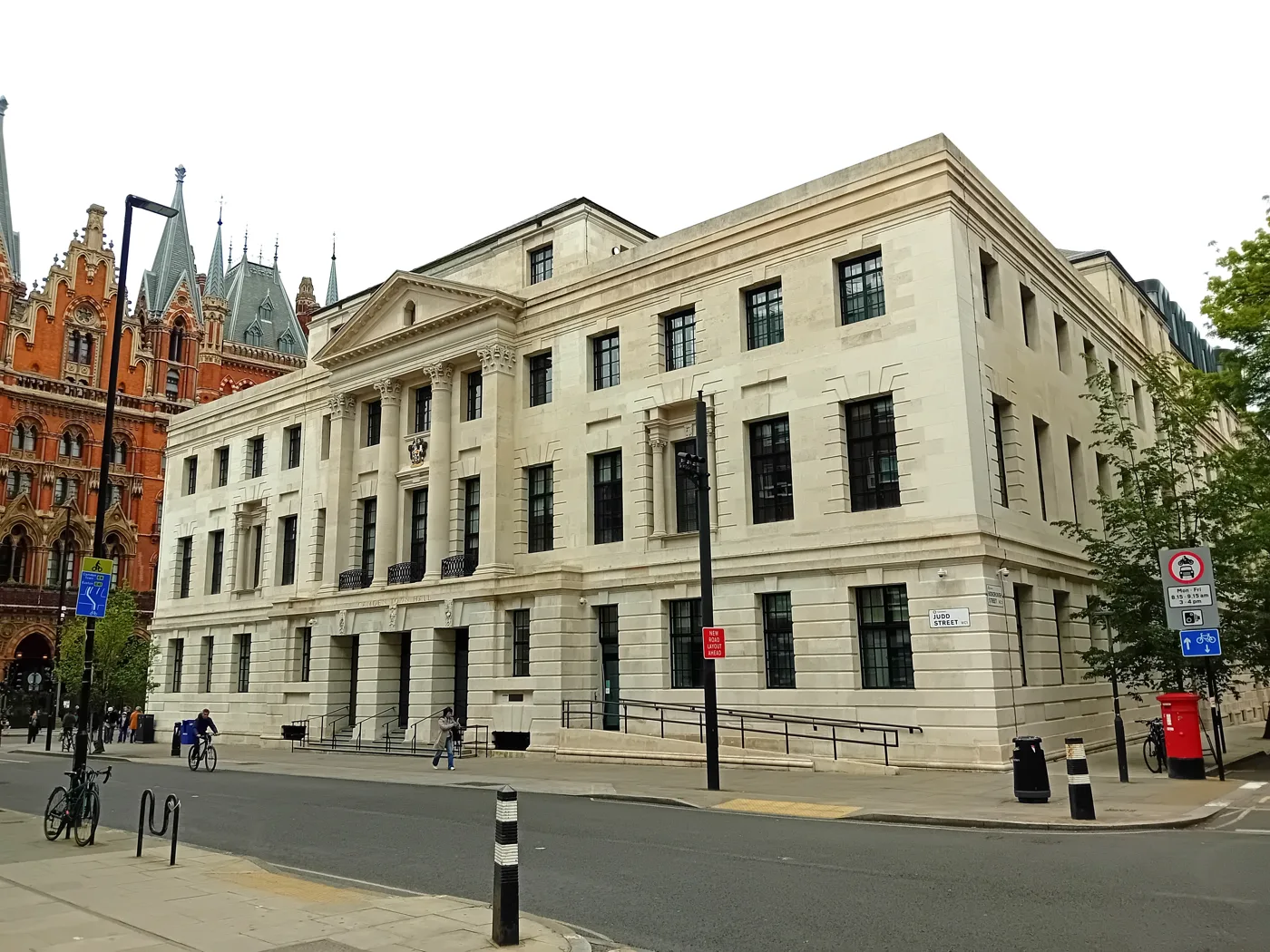

Camden Council launched its first strategy on violence against women and girls on White Ribbon Day. It runs to 2030 and rests on five priorities.
Camden Council has published its first strategy to prevent violence against women and girls. It covers 2026 to 2030 and was launched on White Ribbon Day, Wednesday 25 November, the council announced.
The council says it is treating the problem as a public health issue. Its own research found that one in four women in the borough is likely to experience domestic abuse in their lifetime.
Overview
- What: Camden’s first Preventing Violence Against Women and Girls Strategy, for 2026 to 2030.
- The five priorities: preventing harm before it happens; earlier identification and support; support for all adult and child survivors; holding perpetrators to account; and working in partnership.
- What comes next: a separate implementation plan, setting out actions, lead services, milestones and how progress will be reported.
- Help now: Camden Safety Net on 020 7974 2526, or the National Domestic Abuse Helpline on 0808 2000 247, 24 hours a day. In an emergency, call 999.
What the council’s research found
The strategy rests on a needs assessment led by the council’s public health team in 2025. The strategy document sets out its headline findings:
- One in four adult women in Camden is likely to experience domestic abuse in their lifetime.
- Camden’s rates of sexual violence, stalking and harassment were all significantly higher than London’s.
- In 2024, 44% of the highest-risk domestic abuse cases discussed by agencies involved victims with children at home.
- Over 35% of Camden Safety Net clients had experienced more than one form of abuse, including coercive control, stalking and economic abuse.
- Women over 60 are under-represented in referrals, and their cases are less likely to move through support.
- Every woman helped by the council’s Domestic Abuse Navigator service in 2024 had been homeless or in unstable housing.
The foreword adds a police figure. In 2024 there were just over two serious sexual offences for every 1,000 women living in Camden. That was more than three times the average across the rest of London, the council says, citing Metropolitan Police data.
Housing is a large part of the picture. In 2024, over a quarter of people who applied to join Camden’s housing register were affected by domestic abuse, more than double the share in 2019. In 2025, almost one in five homelessness applications were linked to domestic abuse.
What the council says it will do
The strategy sets objectives under each priority. Among them:
- work in schools and youth settings on healthy relationships, including with men and boys
- build women’s and girls’ safety into the design of streets, estates and public spaces
- train council staff so survivors do not have to repeat their stories to each service
- recognise children as victims in their own right and support them earlier
- offer survivors a housing response that keeps them safe without forcing them to move unnecessarily
- improve mental health support for survivors of all ages
- use housing, tenancy and legal powers, with the police, against those who cause harm, alongside a behaviour change programme
The council says the strategy was shaped by survivors and by frontline services. It wants its next strategy, from 2030, to be owned jointly by all the partner agencies involved.
“Too often, the response is to ask women and girls to change their behaviour, to walk home a different route, to go home early, to not speak out,” said Councillor Pat Callaghan, Cabinet Member for Community Resilience. “Our strategy makes clear that the responsibility lies not with women, but with all of us.”
What it means for you
- If you need help: Camden Safety Net, the council’s domestic and sexual violence advocacy service, is on 020 7974 2526. The National Domestic Abuse Helpline is free and open 24 hours a day on 0808 2000 247. In an emergency, call 999.
- If you see harassment: the council’s ‘In Camden we call it out’ campaign, running since July 2024, asks bystanders to step in safely when they see sexual harassment.
- If you want a say: the council’s women’s safety survey is open until Friday 4 December.
- Read it yourself: the full strategy and an Easy Read version are on the council’s strategy page.
White Ribbon Day is followed by 16 days of action against violence against women and girls. The council says it will use them to highlight the support on offer in the borough.
Have your say